Concrete floor installation in Los Angeles CA - a slab that's flat and ready to use
Planning a new floor for a room, addition or shop? We time the pour, finish and cure so the slab comes out flat and sound.
What goes into a new concrete floor in Los Angeles?
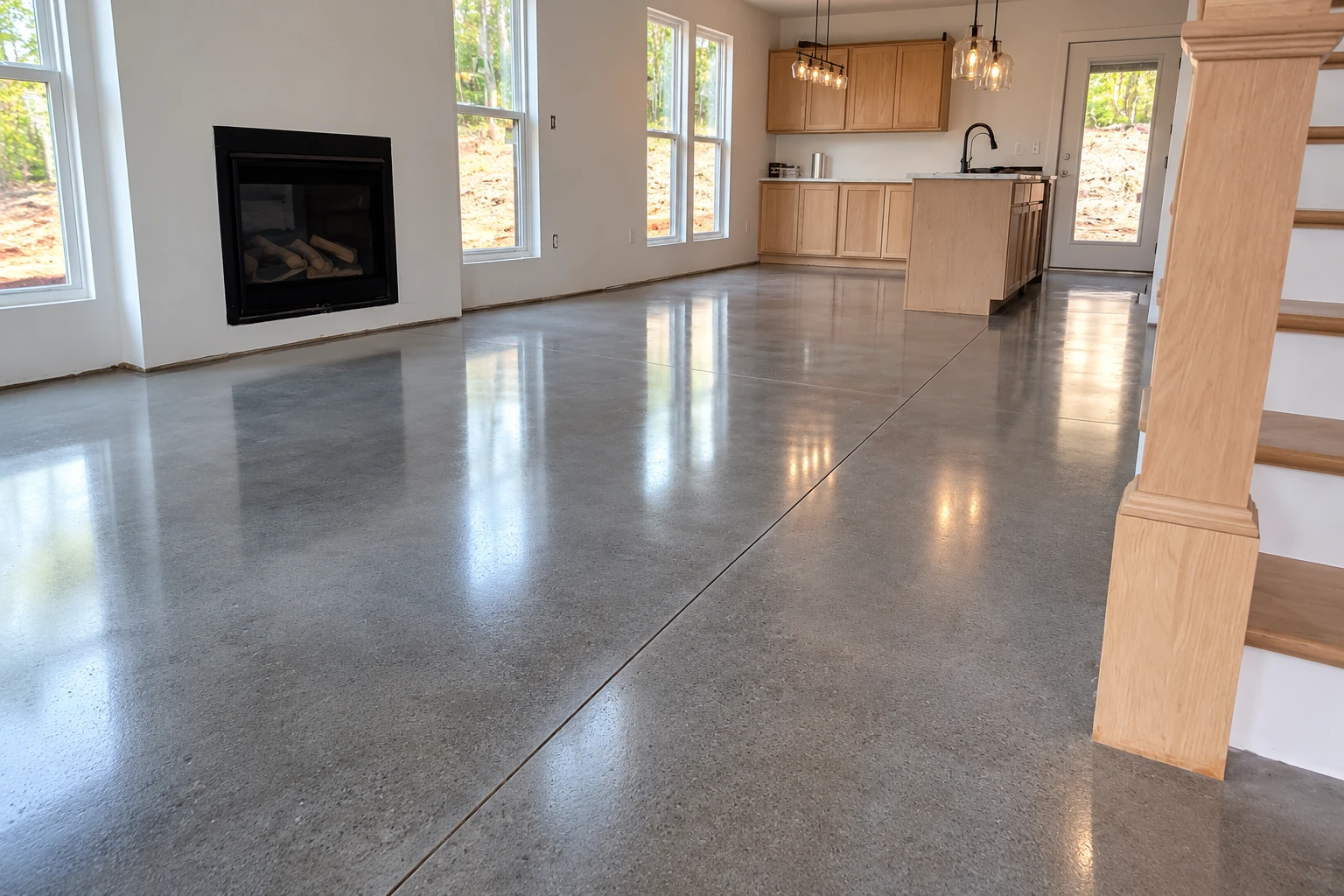
Concrete floor installation in Los Angeles means forming, pouring and finishing a flat slab whose top becomes the floor you walk on, laid over a packed base and timed so it comes out flat and sound.
Most floor calls come from someone adding a room, finishing a garage or workshop, or replacing a slab that's cracked, dusty or out of level. The price moves with the size of the floor, how much digging and base work it takes, whether it needs steel inside, and any color or pattern on top. The schedule turns less on pour day than on the wait after it, first for the concrete to cure and then, if tile or wood is going down, for the slab to be ready for it. We're based in Los Angeles and work across the city and many of the cities around it, and when I come out for the estimate I measure the space, look at what's there now and give you a price for your floor.
How we handle a concrete floor installation
Our crew digs down to the subgrade, the ground the slab sits on, and packs a firm base instead of raking dirt level, because a floor settles with whatever is under it. We set the forms, check which way water runs so nothing drains toward the house, and place rebar, the steel that ties the slab together, where the floor calls for it. I plan pour day around timing, because that's what makes a floor flat and sound. We finish the top when the concrete is ready for it, cut control joints, the shallow saw cuts that give the slab a straight place to crack, before it cracks on its own, and start curing right away, keeping the concrete damp so it gains strength before you use it. If flooring goes on top, I help you build in time for the slab to dry before it goes down.
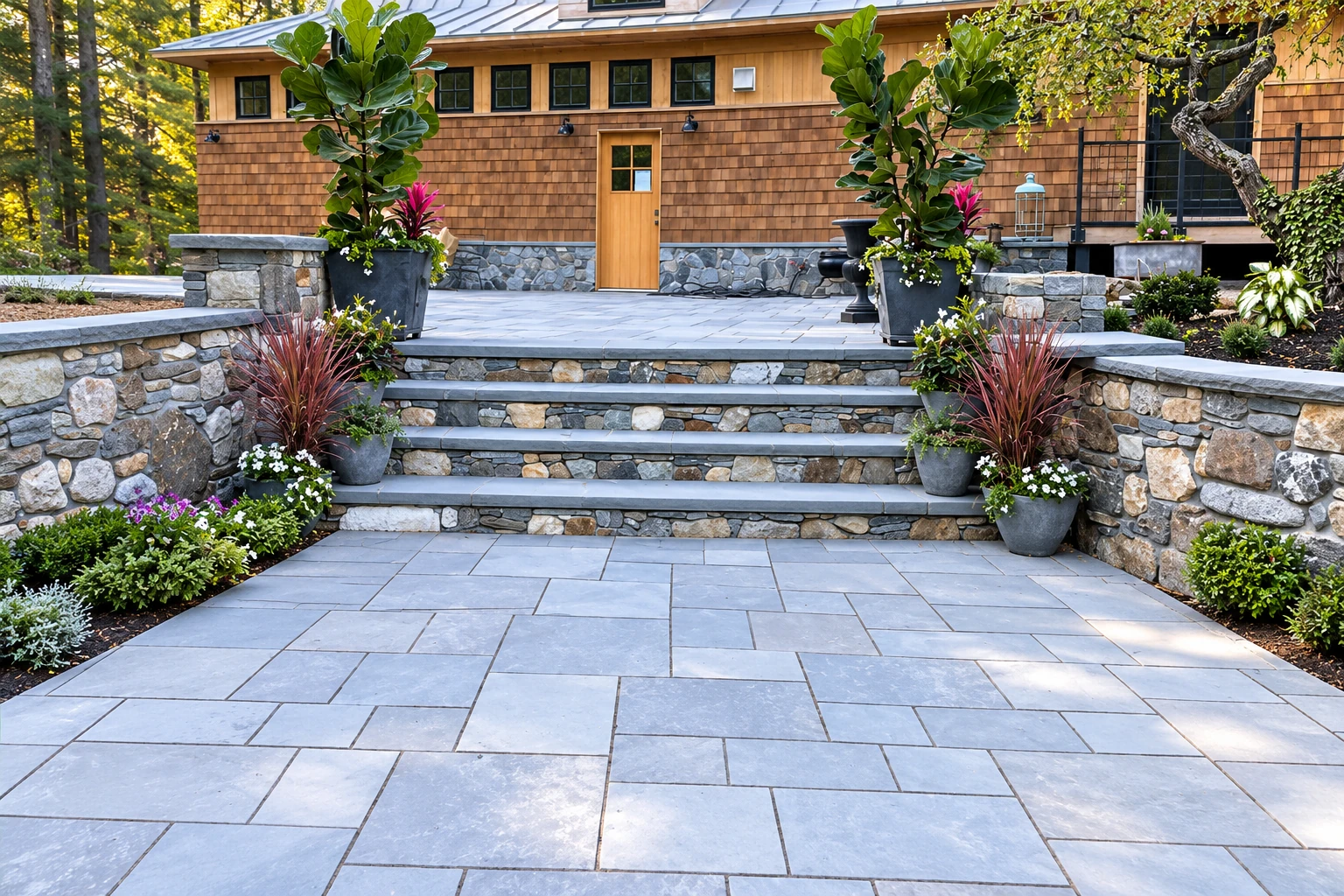
A new floor often connects to work outside the room. If it opens onto the backyard, we can pour concrete pool decks to go with it, and where the new floor sits higher or lower than the ground, we build concrete steps so the change is easy to walk.
A slab with flooring on top
This suits living space, additions and converted garages where the concrete ends up under tile, wood or carpet. We finish it smooth and level so the covering lies flat, and we plan the wait before it goes down.
A bare concrete floor
This suits garages, workshops and storage rooms where the slab is the floor you walk and work on. We give it a hard, smooth finish that's easy to sweep, and color or a pattern can be added if you want one.
Methane zones and concrete floor installation in Los Angeles
Parts of Los Angeles sit in a Methane Zone or Methane Buffer Zone, and the city requires every new building and paved area there to meet its methane rules and the standards its Superintendent of Building sets. That can mean a passive system under or near the building, which may include a de-watering system, vents under the slab and a membrane gas can't pass through, and all of it goes in before the floor does. So before we plan the base, we find out whether your address falls in one of these zones. When a job needs a permit, I work out which office covers your address and handle the application and inspections for you.
Around the city we pour a lot of floors behind older houses, for garage conversions, additions and workshops, and warm afternoons here are why our pours start early. We plan the pour the same way on jobs in Pasadena and Glendale.
Concrete floors and slab work
Why call us for a concrete floor
The owner bids and leads it
I come out to look at the space and give the estimate, and I lead the crew that pours it. The person who explained the plan to you is the one standing there when the timing matters.
Thirteen years of flatwork
I learned concrete hauling and mixing for my dad before I worked up to finishing, and I started this business in 2013. Flatwork, the floors, driveways, patios and walks people use every day, done right underneath is what we're known for.
Fully licensed and insured for floors
We're fully licensed and insured, and you can check any contractor with the state licensing board, whose concrete license covers forming, pouring and finishing flat work like floors. California only lets someone skip the license on a job under $1,000 that needs no permit and when they hire no help, so it's worth checking before you hire anyone for a floor.
On a floor, the part you'll live with longest is the part you can't see once it's poured, so ask me anything about yours before we start. Call or send us the form and I'll set a time to come look.
(213) 329-1820Get an on-site estimate for your concrete floor
Send the floor size in square feet, the property address and what flooring you plan to put down, and I'll reply within one business day to set a time to come out. I'll look at the space and give you a free estimate on site, with no obligation to go ahead.
Concrete floor questions from Los Angeles owners
How much does a new concrete floor cost in Los Angeles?
A new concrete slab in Los Angeles usually costs about $5 to $14 per square foot, according to one cost guide. Reinforced slabs cost more per square foot than plain pads, and staining or stamping isn't included in that range. That's the market's range, not our price, so I'll come out, measure and give you a figure for your floor.
Is it normal for a new concrete floor to crack?
Yes, a few random cracks are normal, and the concrete industry's floor guide says to expect some even with joints cut close together. Steel in the slab won't stop cracking, but when it's properly sized and placed, cracks should stay tight. That's why we cut control joints, so most of the movement lands on a straight line we chose.
How long does a new concrete floor take before I can walk on it?
One cost guide says a slab should be walkable within 48 hours and takes 28 to 30 days to fully cure. The same guide says waiting a week before heavier loads may be safer, so plan furniture and move-in around that. We'll tell you on pour day what to keep off the floor.
When can I put tile or wood flooring over a new concrete slab?
Not right away, because a slab curls a little at the joints as it loses moisture, and the concrete industry's floor guide says that can cause trouble laying some coverings in the months after the pour. If your flooring installer tests the slab's humidity first, one meter maker says the slab and room need the conditions they'll have in use for at least 48 hours beforehand. I'll help you build that wait into your schedule.
What causes a concrete floor to dust, crack or have high and low spots?
Usually poor timing on pour day. The concrete industry's floor guide calls the timing of finishing, jointing and curing critical, and says getting it wrong can cause cracking, dusting, scaling, where the top flakes off, and high or low spots. Ask any contractor how they plan pour day, and when you call us, I'll walk you through ours.
How do I protect flooring from moisture coming up through a concrete slab?
Ask what goes under the slab before it's poured. The concrete industry's floor guide says plain polyethylene sheeting shouldn't be counted on for moisture protection under a slab, and that coverings get the most protection when the vapor retarder, the moisture barrier, sits right against the slab. We'll go over what goes under your floor at the estimate.
Talk to 360 Los Angeles Concrete Construction about your floor
We pick up seven days a week and into the evening, so call (213) 329-1820 when you're home and can look at the space.