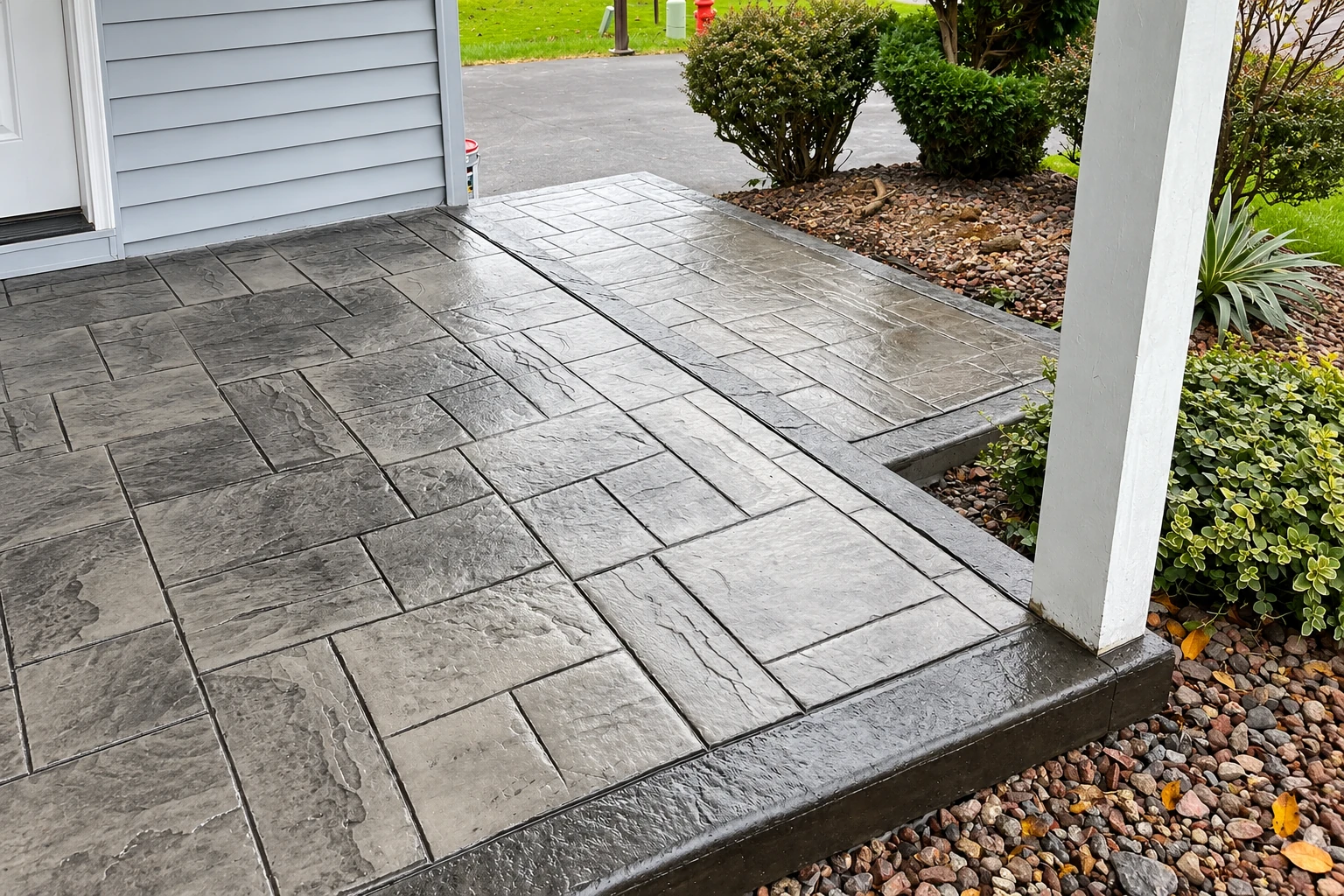
Slab foundation building in Los Angeles CA - built to suit the soil on your lot
Building on a lot you're not sure about? We read the soil study first, then pour the slab that suits your ground.
What kind of slab foundation does my lot need?
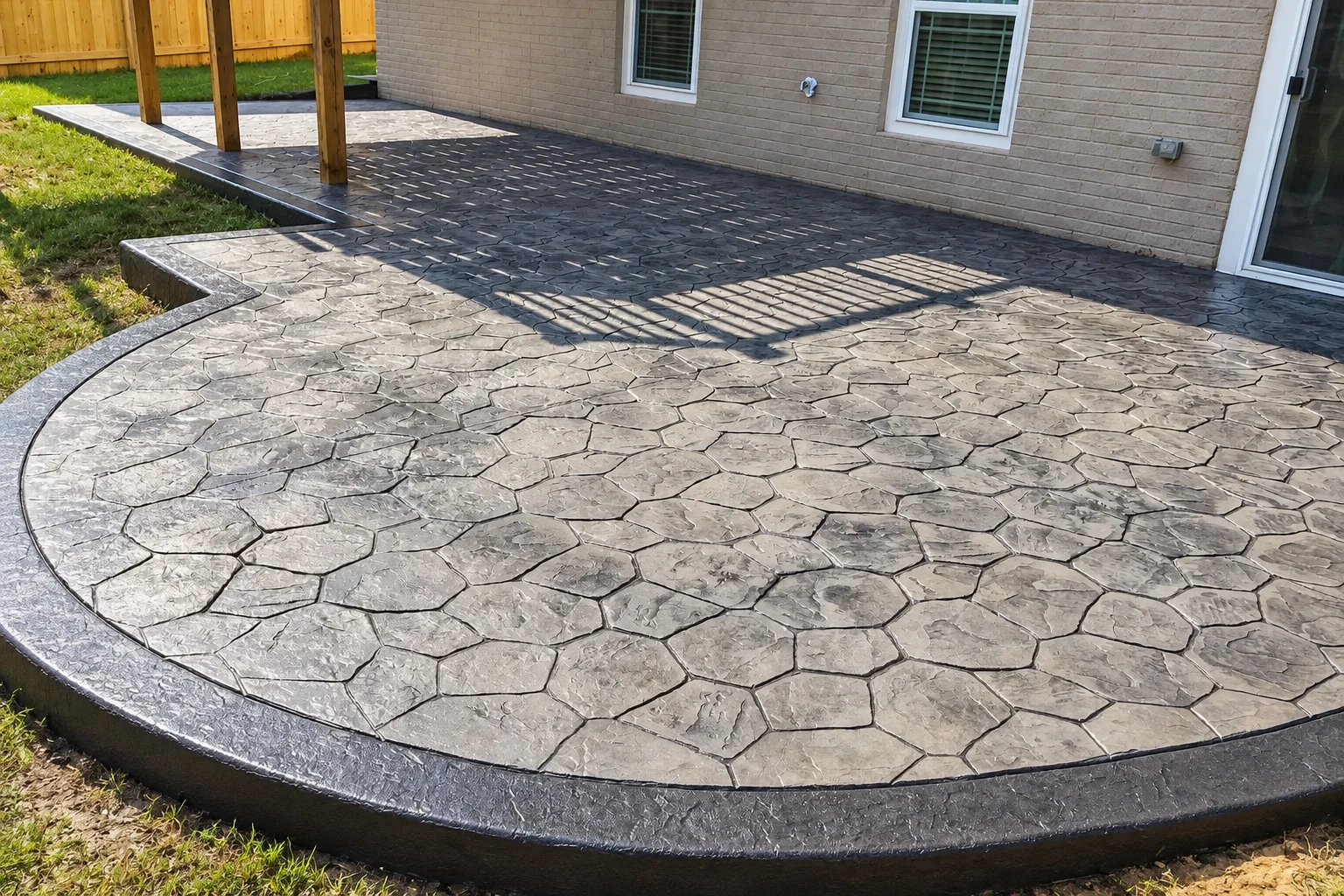
Slab foundation building in Los Angeles means forming, pouring and finishing the concrete slab your house rests on, and the slab that fits your lot depends mostly on the soil underneath it.
Most people who call about a slab are planning a new house, an addition or a rebuild, and they're often holding a soil report they aren't sure how to read. The price moves with the size of the slab, how level and firm your ground is, which kind of slab the soil calls for and whatever has to go under it, while the schedule mostly turns on the soil study and any permit the job needs. I'll walk the lot with you, and the estimate I give on site puts a figure on your own job.
How we build your slab foundation
I start with what the soil study says about your lot, because that decides what kind of slab belongs there, and if your site calls for vents or a membrane under the slab, we build the whole job around those parts. Then our crew digs out the subgrade, the dirt and base the slab sits on, and packs it firm instead of raking it level, because a base that's only raked settles with the dirt and takes the slab down with it. We set the forms, check that the finished grade sends water away from the house, lay the steel and pour early in the day so midday heat doesn't leave a weak, dusty top. The base is the part you'll never see once the house goes up, so it's the first thing people want to trim from a budget. I'd rather cut almost anything else, because a slab is only as good as what's under it.
Some lots need something deeper than a slab, and when the soil study points that way, the job falls under our foundation installation work. Owners building on a larger property usually need paving around the building too, and we take that on through concrete parking lot building, so the slab and the lot are planned together.
Slab with rebar or wire mesh
This is the conventional slab, with rebar, steel bars set inside the concrete to hold it together if it cracks, or welded wire mesh doing a lighter version of the same job. It suits lots where the soil study finds stable ground that doesn't swell much when it gets wet.
Post-tensioned slab
Steel cables called tendons run through this slab and get pulled tight once the concrete has hardened, which squeezes the slab together so it rides out ground movement better. It's the usual pick when the soil study finds clay that swells and shrinks, and it takes a crew that knows how to place and stress the tendons.
Slab foundation rules in Los Angeles
In Los Angeles, a couple of rules decide how your soil gets studied and what goes under the slab, and both apply to lots inside mapped zones. State law has cities and counties use mapped Liquefaction Zones, areas where loose, wet ground can give way in an earthquake, when they issue construction permits, and inside those zones the foundation soil has to be investigated. The City of Los Angeles also requires new buildings and paved areas in a Methane Zone or Methane Buffer Zone to meet its methane rules, and for houses, townhouses and their accessory buildings that means the full set of requirements, though the code allows a set substitute system. Whether your lot sits in either zone is something the site study settles, not a guess I'll make at the curb. When your job needs a permit, we figure out which office covers your address and handle the application and inspections for you.
Ground here changes a lot from one lot to the next, from flat older neighborhoods to hillsides and clay that swells in the wet months, so I don't assume anything until I've read the soil report. We see the same mix on jobs in Glendale and Pasadena, and we work across Los Angeles and many of the cities around it.
Slab foundations from form to finish
Why call us for slab foundations
I estimate and lead the crew
I come out to look at your lot and give the estimate myself, and I'm the one leading our crew when we pour. You get the same person answering your questions from the first visit to the last day on site.
Pouring concrete since 2013
I learned the trade from my dad, hauling and mixing before I ever finished a slab, and I started this business in 2013, so we've been at it 13 years. Most of that time has gone into the parts nobody sees, the soil, the base and the slope.
Licensed in California and insured
We're fully licensed and insured, and the state contractor license board describes a concrete contractor as one who forms, pours, places and finishes concrete work. That's exactly what a slab job is, so it's the license that should cover the crew on your lot.
If you're weighing a slab for a new house or an addition, call (213) 329-1820 or send us your details and I'll come take a look.
(213) 329-1820Get an on-site estimate for your slab foundation
We reply within one business day to set a time, and I come out to walk your lot and give you the estimate on site, free and with no obligation. From there, the decision is yours.
Slab foundation questions from Los Angeles owners
How much does a slab foundation cost in Los Angeles?
A slab foundation in Los Angeles usually costs about $8 to $15 per square foot, installed. That's the going range in the area, not our price, and where your job lands depends on the soil, the slab type and anything that has to go under it. I'll give you a figure for your own lot at the on-site estimate.
Does my lot need a soil test before building a slab foundation?
If your lot has expansive clay, sits on a hillside or might have unstable soil, a geotechnical engineer, a soil specialist, may test it and recommend footings, piers or pile systems. On those lots the test comes first, and what it finds decides what foundation the house gets. Lots inside a mapped liquefaction zone need the soil investigated anyway, as covered above.
What causes a slab foundation to move on clay soil?
Clay swells when it's wet and shrinks when it dries, and that pushes on the slab, so on that soil you can plan for some movement and minor surface flaws over the slab's life. Engineers write that a slab with no movement or cosmetic distress at all would be cost prohibitive and likely impossible. The post-tensioning trade group calls post-tensioned slabs a cost-efficient answer on this soil, often quicker to install than a comparable rebar slab.
What goes under a slab foundation in a Los Angeles methane zone?
A passive methane system can include a de-watering system, a sub-slab vent system that vents beneath the slab, and an impervious membrane, a sheet gas can't pass through. Because those parts sit under the house, they shape how the slab is built from the ground up. We plan the base and the forms around them before anything gets poured.
How do I keep moisture from coming up through a new slab floor?
Start with a vapor retarder, the sheet under the slab that holds back water vapor from the ground, and keep it whole. One maker's paper says even small holes in it can sharply raise the moisture coming through the slab, which can lead to flooring failures and delays putting new floors down. We patch tears before the pour, since that sheet is out of reach once concrete is on it.
Can a basic slab foundation work on a sloped lot in Los Angeles?
Usually not as it is, because a basic slab works only when the ground is level throughout the property and the soil is well compacted. Where it does fit, it's quicker and easier to lay than other foundations, which brings labor costs down considerably. On a slope, the soil study decides what the lot needs instead.
Plan your slab foundation and the soil work under it
Bring your address, planned size and any soil or zone details when you call (213) 329-1820, so the first visit starts with what you know.