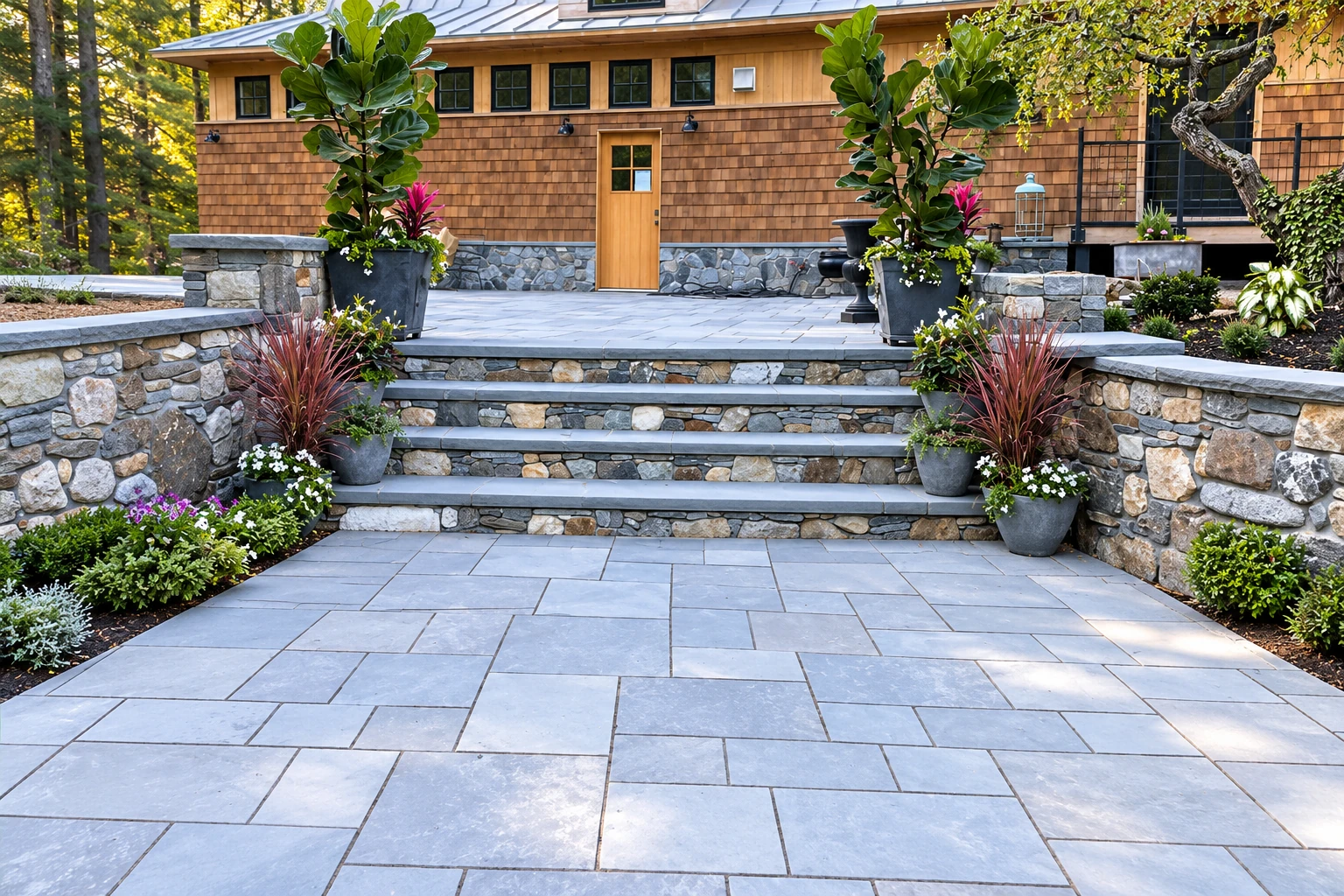
Concrete steps construction in Los Angeles CA - even steps from top to bottom
If your steps are cracked, sinking or uneven, we rebuild them on solid support and lay them out so every step matches the next.
What goes into building new concrete steps?
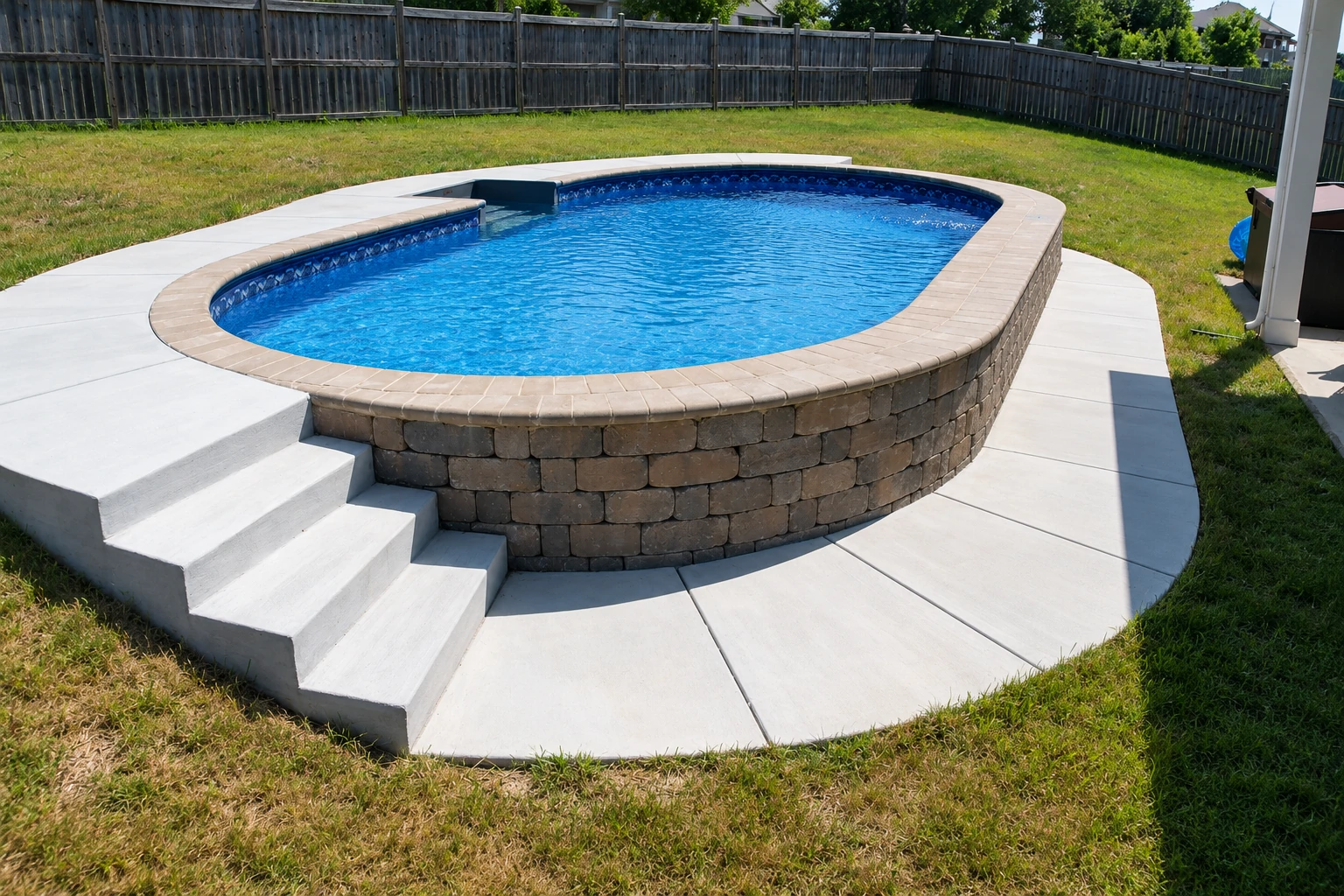
Concrete steps construction in Los Angeles means forming, reinforcing, pouring and finishing a new set of steps that leads from the ground up to a landing at your door. Done right, you get an entry that's solid underfoot, with every step the same height so nobody catches a toe.
Most calls start with steps that have cracked, settled or pulled away from the porch, or with one step that's taller than the rest and trips people up. The price moves with how many steps you need, how wide they are, whether there's a landing, how much old concrete has to be broken out and hauled off, and whether precast or poured suits your entry. The schedule depends on the tear-out, the weather and the curing wait before you can use them, plus any city sign-off if the steps meet the sidewalk. I'll measure your entry and give you your own figure at the estimate.
What concrete steps construction involves
We start by breaking out the old steps and looking at what they sat on, because steps on loose fill settle and pull away from the house. Ours go on dug-out, packed ground or tie into the landing or the foundation, since the support and steel a set of steps needs depend on whether it rests on the ground, connects to the house or spans like a stair. Then I lay out the full rise, the height from the ground to your door, before any forms go up, so every riser and every tread comes out even. A riser is the height of each step, and a tread is the part you step on. Building codes can set limits on both, and a small miss repeated on each step adds up until the top or bottom one is off, which is the step people trip on and the one that can fall out of code. We set the forms and place rebar, the steel bars that hold the concrete together. Then we pour, early in the day when we can, because midday heat dries the top too fast and leaves it weak and dusty. Last, we finish the treads and let the concrete cure, the slow hardening that gives it its strength, before anyone walks on it.
Steps often tie into other work around the house. On a new home or an addition, we plan the steps alongside the slab foundation building or foundation installation, so the landing and the support under the steps are set up from the start instead of added on later.
Precast steps for a standard entry
Precast steps are made ahead and hollow, so they're easier to set and usually cost less. If your rise and width match a standard size, they're a fair way to save money.
Poured steps built to your entry
Poured steps cost more, but they can be built to the size your entry actually needs. They're the better fit for an odd rise, a wide door or a landing at the top.
Concrete steps construction near the sidewalk in Los Angeles
If your steps come down to the sidewalk or the parkway, the strip of ground between the sidewalk and the street, part of the job may sit on city land. In Los Angeles that public right-of-way covers streets, alleys, parkways, sidewalks and public easements, and the city's Bureau of Engineering issues the permits for work there. Its list names sidewalks and curb ramps, not steps, so whether your steps need a permit isn't spelled out, and I'll ask the bureau about your address before we set a schedule. When a job needs a permit, we figure out which office covers your address and handle the application and inspections for you.
A lot of houses here sit above the street, with the front door well up from the sidewalk, so tall rises and steps with a landing are common, and that's where careful layout matters most. We're based in Los Angeles and work across the city and many of the cities around it, and we see the same tall entries with settled original steps on jobs in Glendale and Pasadena.
Concrete steps and entries
Why call us for concrete steps
I measure it and lead the crew
I come out to look at your entry and give the estimate, and I lead the crew that builds the steps. The person who laid out your rise is the one checking the forms before the pour.
Pouring since 2013, base first
I learned concrete from my dad and started this business in 2013, so we've been at it 13 years, mostly on flatwork, the driveways, patios, walks and floors people use every day. That work taught us that how concrete holds up is decided underneath.
Fully licensed and insured
We're fully licensed and insured. You're dealing with a crew the state has licensed, and the job is covered if something gets damaged along the way.
We plan around city start rules
When steps by the sidewalk need a city permit, Los Angeles requires a preconstruction meeting, a review of the final permit and a call for inspection before work begins. We put those on the calendar first so the crew isn't waiting on a sign-off.
To have me look at your entry, call (213) 329-1820 or send us a request.
(213) 329-1820Get a free on-site estimate for your concrete steps
We reply within one business day to set a time for me to come out. I'll measure the rise, look at what's under your steps and give you an estimate on site, with no obligation to go ahead.
Questions about concrete steps in Los Angeles
How much do new concrete steps cost in Los Angeles?
Concrete steps 4 feet wide in Los Angeles usually cost about $230 to $680 per step. That's the going rate in the area, not our price, and for poured steps the forms and the rebar or mesh are typically part of the material cost. Where yours land depends on the things that move the price above, and I'll give you your own number on site.
How long do concrete steps last?
Concrete steps usually last 30 to 40 years with proper care and upkeep, going by national cost guides. That makes them a long-term choice, so it's worth getting the support and layout right the first time and planning on regular care after that.
How long before I can walk on new concrete steps?
One how-to guide says to give new concrete three days to a week to harden before anyone uses the steps. The same guide suggests misting the concrete now and then so it cures slowly, which helps it resist cracking. Plan another way in and out of the house for those days.
Do I need a licensed contractor to build concrete steps in California?
Yes, unless the whole job is under $1,000, needs no permit and the person doing it has no employees. That's the only small-work exception the state allows. California's license for concrete contractors covers forming, pouring, placing and finishing concrete, which is the work of building steps.
What is the best way to make outdoor concrete steps less slippery?
A broom finish is the usual answer for outdoor steps. Dragging a stiff-bristle broom across each tread, crosswise to the way you walk, leaves a fine texture that helps your shoes grip when the steps are wet. It's the finish I'd suggest for most entries, since smooth concrete gets slick.
Will my new concrete steps crack like the old ones did?
They shouldn't fail the same way, because old steps that split, sink or pull away from the house usually sat on loose fill. Ours go on proper support, as described above. Concrete can still get a hairline crack over the years, and the rebar inside helps keep it from spreading or shifting.
Plan your new concrete steps and landing with us
Call (213) 329-1820 with photos of your entry, the number of steps and whether they reach the sidewalk, so I come out ready.