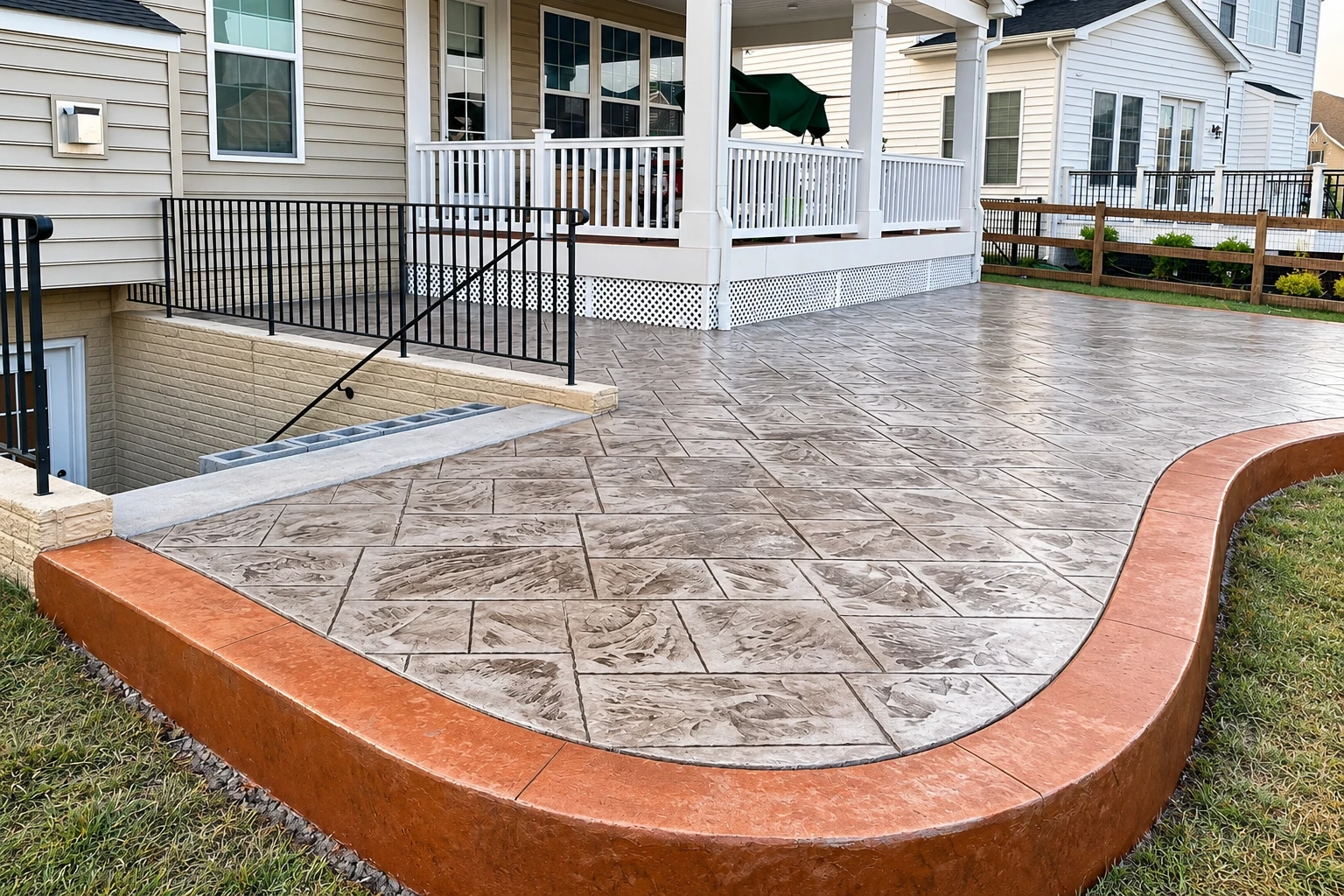
Concrete sidewalk building in Los Angeles CA - a level walk on a solid base
Cracked, heaved or uneven walk out front? We dig out, pack a firm base and pour a new sidewalk that sits flat and sheds water.
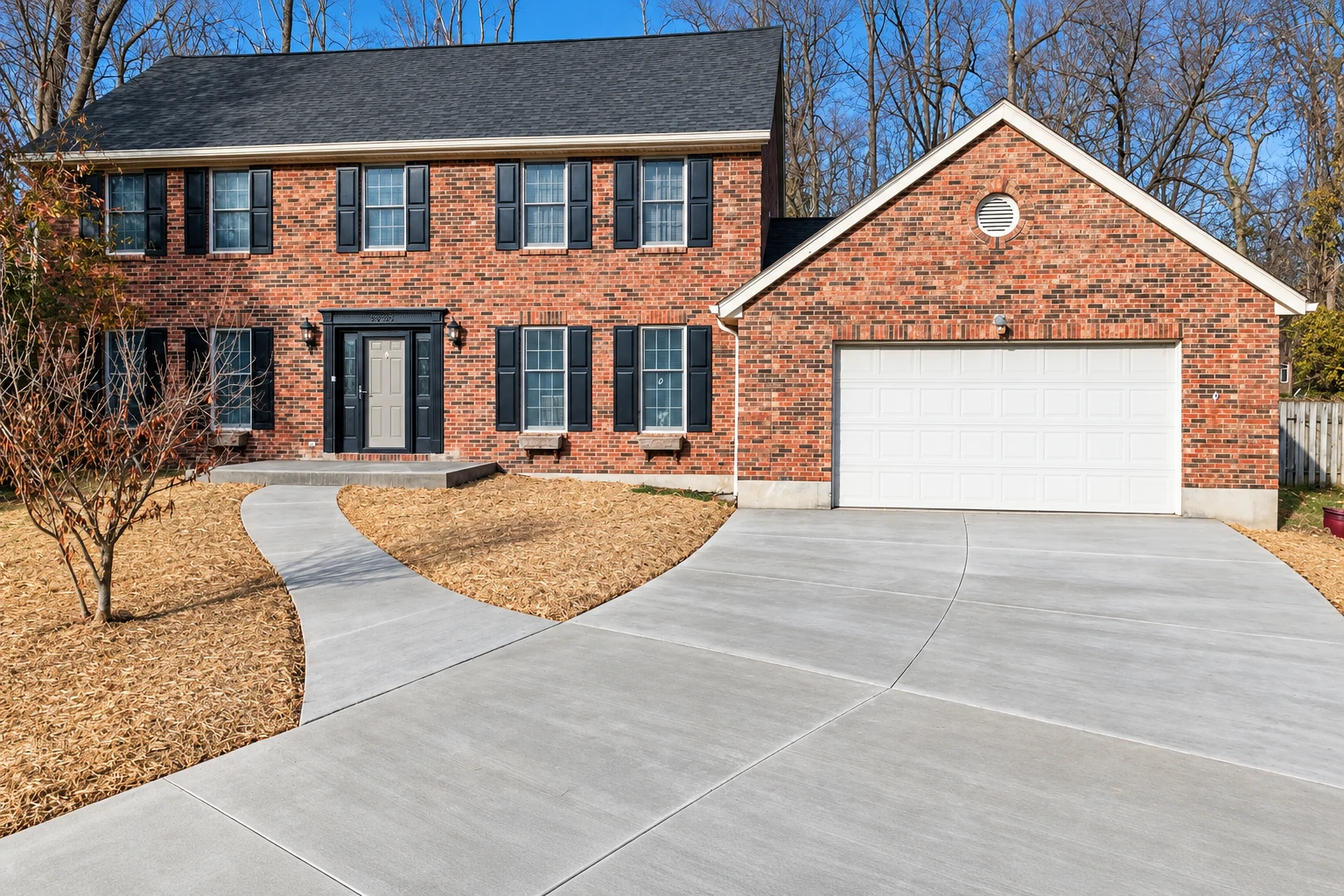
What goes into building a new sidewalk in Los Angeles?
At 360 Los Angeles Concrete Construction, concrete sidewalk building in Los Angeles means taking out the old walk, preparing the ground and then forming, pouring and finishing a new one, so you end up with a walk that's even underfoot and sheds water instead of holding it. It's flatwork, the flat slabs people walk and drive on every day, and that's the work we're best known for.
Most people call when the walk out front has cracked, lifted over a tree root or sunk enough that water pools on it and someone catches a toe. The price moves with the walk's size, how much old concrete comes out, how much work the ground underneath needs and whether you keep the current level and slope, and the schedule turns mostly on the permit route and the days the new concrete needs to cure. Walks in the public right-of-way need a city permit, and we take care of the application and inspections for you. If your driveway is in the same shape, we can look at both when I come out, and the estimate gives you the number for your own job.
How we build a concrete sidewalk
Before anything else, I ask whether the new walk should keep its current level and slope or change, and whether street trees sit close by, because those two answers shape the permit and how we work around roots. Then our crew breaks out the old concrete, digs down to firm soil and packs the subgrade, the ground the slab rests on, so the walk doesn't settle later along with loose dirt. We set the forms with a slight fall so water runs off the walk and away from your house, lay in rebar where the job calls for it so the steel ties the slab together, and pour in the cooler part of the day, because concrete that dries too fast in midday heat ends up with a weak, dusty top. We give it a broom finish, a light texture dragged across the surface so it isn't slick when wet. We cut control joints, shallow grooves that give the slab a straight place to crack instead of a random one, and keep it covered while it cures, which is the wait that lets it harden before anyone uses it. If the budget's tight, the base is the last thing I'd cut, because nobody sees it on day one, but a plain walk on packed ground outlasts a pretty one poured on raked dirt.
Sidewalk work often sits next to other concrete that's due. If the walk ends at a garage whose floor is cracked or dusting, garage floor concrete can be planned at the same time so the levels meet cleanly. And if you'd like the path to your door to look like more than plain gray, decorative concrete can add color or texture to it.
Rebuild at the current level and slope
This suits a walk that cracked or sank but already sits at the right height for the street, the driveway and your front steps. Keeping the existing level and slope is the simpler permit route, which I explain below.
Raise, lower or reslope the walk
This suits a walk that trips people where it meets the driveway, holds water or tips toward the house. It takes more planning up front, because changing a public sidewalk's level or slope puts the job on a different permit.
Permits, grade and trees for concrete sidewalk building in Los Angeles
The walk in front of your house is usually part of the public right-of-way, which in Los Angeles generally includes streets, alleys, sidewalks and parkways, the planting strips along the curb. The city's Bureau of Engineering oversees construction there, and building or repairing a sidewalk in it requires a Public Works permit. Which permit you need turns on grade, the walk's level and slope. One city permit covers limited sidewalk work that matches the existing grade without a survey or engineered plans, but any work that changes the grade of a sidewalk or street needs a B-Permit, so if you want the walk higher, lower or sloped differently, we plan for that from the first visit. The city also asks for a preconstruction meeting before work starts, and we build that into the schedule.
Street trees are the other thing we check early, because parkway roots lift a lot of the walks we're called to replace. Before any street tree removal or root trimming, the city's procedure calls for contacting its Urban Forestry Division, so when roots are part of the job, that step goes into the plan. We see the same old trees and raised panels on jobs in Pasadena and Glendale.
Concrete walks, poured and finished
Why call us for your sidewalk
You deal with the owner throughout
I come out to look at the walk and give the estimate, and I lead the crew that pours it. The person who answered your questions is the one standing over your concrete.
Pouring concrete since 2013
I learned the trade from my dad, hauling and mixing before I ever finished a slab, and I started this business in 2013. Thirteen years of running jobs is why I'll tell you what could go wrong with your walk before I tell you what will go right.
Licensed, insured and based in LA
We're fully licensed and insured, and we're based in Los Angeles, working across the city and many of the cities around it. On a walk that sits on public land, that's the kind of contractor you want answering for the work.
Have your address, the walk's rough size and any street trees or grade changes in mind, then send us your details or call (213) 329-1820.
(213) 329-1820Get a free on-site estimate for your new sidewalk
We reply within one business day to set a time, then I come out, look over your walk along with the trees and grade around it, and give you an estimate on site. It's free, and there's no obligation to go ahead.
Sidewalk questions from Los Angeles homeowners
How much does a new concrete sidewalk cost in Los Angeles?
Building a residential concrete sidewalk in Los Angeles, installed, usually runs about $5.50 to $11 per square foot. That's the area's usual price, not ours. I'll give you the figure for your own walk when I come out to look at it.
How long does new concrete need to cure before I can use the sidewalk?
Industry guidance says to keep new concrete moist for at least 3 days, either by spraying it with a liquid curing compound or covering it with damp burlap that's kept wet. Curing is what lets the slab gain its strength. Plan on the walk staying covered or treated through those first days, and we'll tell you when it's ready to walk on.
Will my new concrete sidewalk crack like the old one did?
Some cracking is normal in any slab, and wire mesh or other reinforcement can't prevent it, though placed at the right spot in the slab it can keep cracks narrower. That's why the control joints we cut matter, since they give cracks a line to follow. It's fair to ask any contractor where the reinforcement will sit.
How do I keep tree roots from lifting my new sidewalk?
Root barriers can help, and guidance from a university extension in Iowa, another region, says they need to be at least 18 inches deep with the top above the soil and mulch. Even then, roots may still grow under the walk. With a city street tree, any removal or root trimming starts with the Urban Forestry Division, as covered above.
Can I get a city rebate for replacing my sidewalk in Los Angeles?
Possibly, because the city runs a Sidewalk Repair Rebate Program for voluntary repairs, though sidewalk work required by a building permit or a similar requirement isn't eligible. The program asks you to hire a contractor with an A, C-8, C-12 or C-61:D-06 license. For current amounts and whether applications are open, check the city's rebate program before you plan around it.
What causes a concrete sidewalk to crack, sink or lift?
Most of the time it's what's underneath, whether that's ground raked level instead of dug out and packed, water running under the slab or tree roots pushing up from below. Missing or late control joints add cracks in places nobody chose. When I look at your old walk, I'll show you which of these did the damage so we can plan the new one around it.
Talk with us about your sidewalk, driveway or patio
We're open until 11 PM on weekdays and 10 PM on weekends, so you can call (213) 329-1820 after work.